
Transformación digital
The Addiction to Mobile Devices

26 February 2025
 BACK
BACKAddiction to Mobile Devices: How Technology is Reprogramming Us?
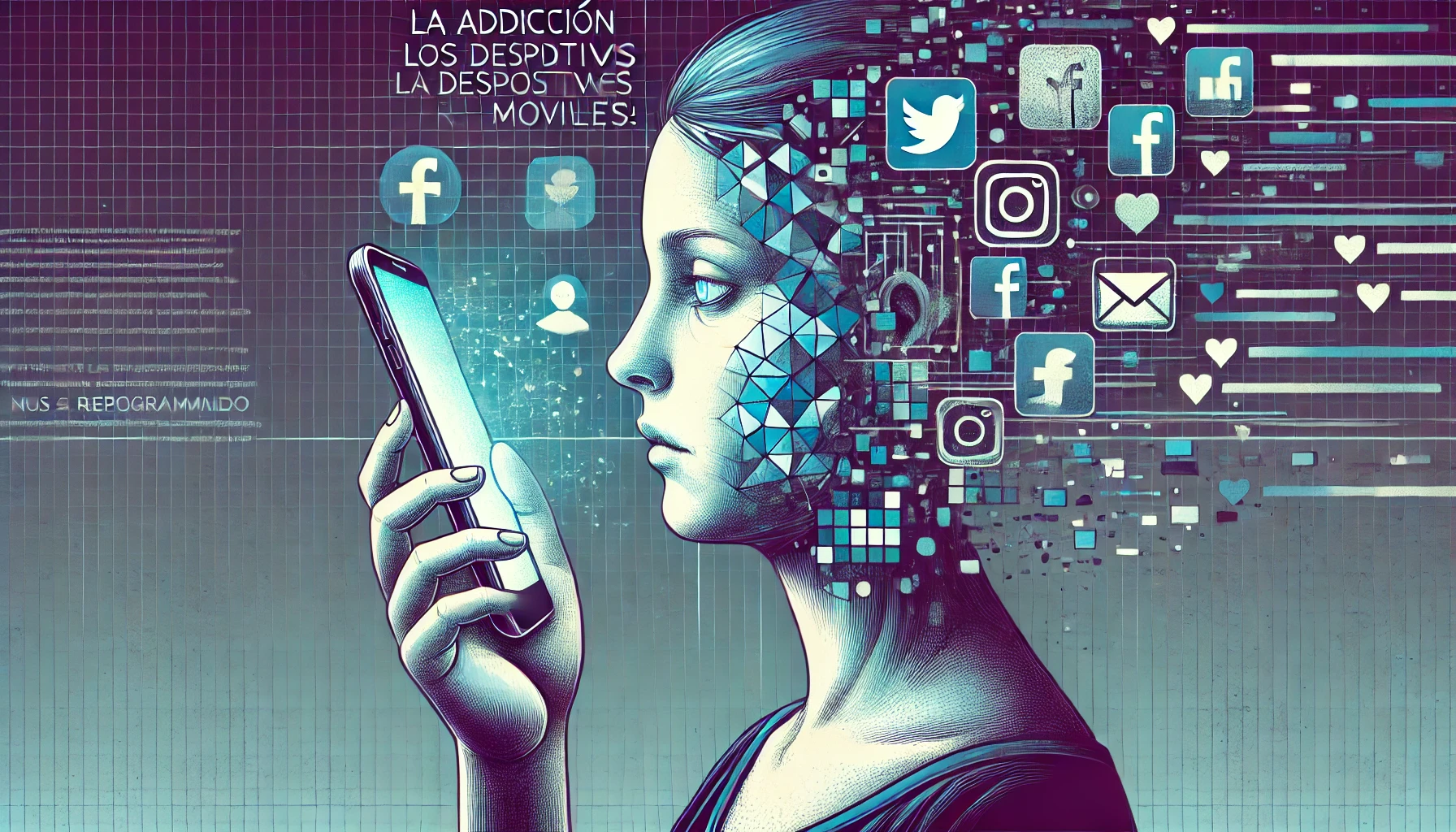
The term "addiction" is commonly used to describe excessive cell phone use, but in the academic and clinical fields, addiction is specifically reserved for substances like drugs or disorders such as gambling addiction. However, there are compulsive behaviors associated with digital device usage. According to our guest, the key difference is that classic addictions involve a chemical alteration in the brain, with changes in dopamine receptors. In the case of mobile devices, the issue lies in how we condition our behavior through small digital rewards, such as likes, notifications, or social media interactions.
Technology has learned to take advantage of our reward system. Every time we receive a notification or a message, we experience a small release of dopamine, which drives us to check our phones constantly. This cycle reinforces itself over time and can lead to compulsive behaviors, even if they are not classified as clinical addictions.
Another crucial aspect we discussed in the podcast was the influence of major tech companies on our behavior. Many platforms are designed to maximize our screen time. For example, interface designs, notification systems, and recommendation algorithms are all meant to keep us engaged for as long as possible. This is not accidental but rather a strategy based on human behavior.
Cell phone use becomes problematic when it interferes with our daily activities or affects our mental health. Some examples include:
The solution is not to demonize technology but to learn to use it consciously. Some recommended strategies include:
Technology is transforming how we interact with the world, and while we may not call it an "addiction" in clinical terms, it is crucial to recognize its psychological impact. The key lies in education and balance: being in control of our technology rather than letting it control us.
Listen to the full episode to dive deeper into this discussion and discover tools to improve your relationship with digital devices.