
Transformación digital
Technology, Politics, and Digital Identity: Are We Losing Our Essence?

13 March 2025
 BACK
BACKIn the digital age, the way we interact with the world has changed radically. Social media, instant access to information, and constant comparison have redefined our perception of reality and ourselves. As technology advances, an inevitable question arises: are we losing our essence in a world dominated by external validation and digital manipulation?
Since ancient times, humans have sought status within their communities. Evolution has led us to develop comparison mechanisms as a strategy to improve our opportunities. However, in the digital era, this comparison has intensified exponentially. Social media constantly exposes us to idealized versions of others' lives, creating an endless cycle of unrealistic aspirations. The need for validation through likes and comments has led many people to construct a digital identity that does not always match their reality, generating a disconnect between the authentic self and the self projected online.
The use of filters, edited images, and the pursuit of digital recognition activate the brain’s reward system. Dopamine, a neurotransmitter associated with pleasure and motivation, plays a key role in social media addiction. The anticipation of receiving likes and comments produces an effect similar to that of other addictive behaviors, reinforcing the habit and promoting psychological dependence on external approval. This phenomenon has altered how people perceive their self-worth, basing it on digital metrics rather than real and meaningful experiences.
Major tech companies have understood the psychological impact of their platforms and have designed strategies to maximize user engagement. From algorithms that personalize content to keep attention, to notifications that generate micro-dopamine releases, technology has become a powerful tool for shaping human behavior. However, this persuasive design raises ethical questions about the industry's role in users’ mental health. To what extent should companies prioritize ethics over profitability?
Social media not only affects individual identity but has also influenced political and social dynamics. Polarization has increased as algorithms reinforce pre-existing beliefs, creating informational bubbles that limit exposure to different perspectives. This fragmentation of public discourse has resulted in more divided societies, less willing to engage in dialogue, directly impacting political and social stability in many countries.
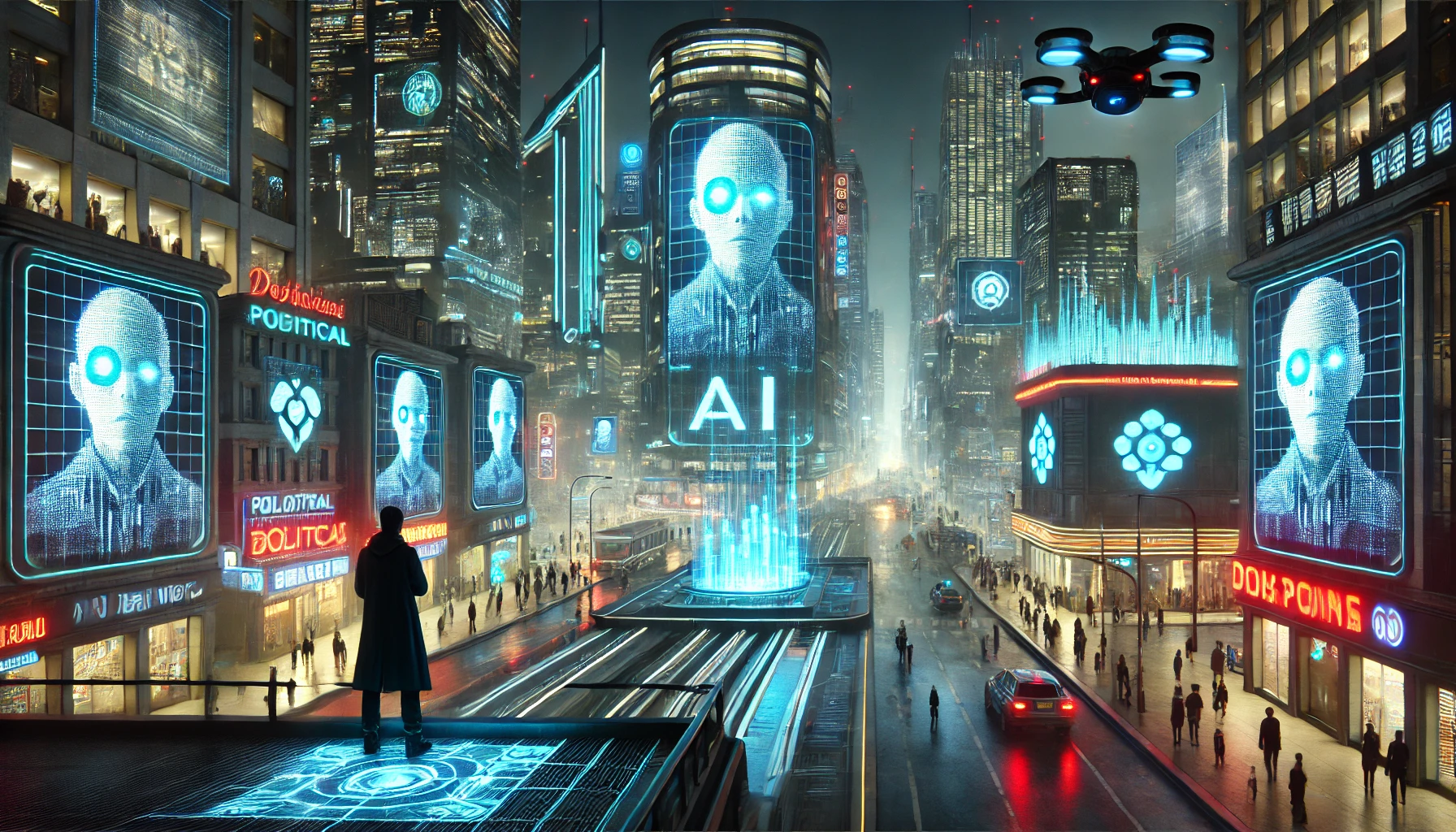
In a world where technology and politics are increasingly intertwined, it is essential to question how these forces influence our perception of reality. The key is not to reject technology but to learn how to use it consciously and in a balanced way. Digital education, critical thinking, and self-regulation are essential tools for navigating an environment increasingly designed to capture our attention and manipulate our emotions.
If you want to learn more about these topics and explore how technology is transforming our way of thinking and behaving, you can listen to our podcast on YouTube or Spotify Watch the full episode.