
Herramientas de IA
Technological Leaders in Global Politics

05 February 2025
 BACK
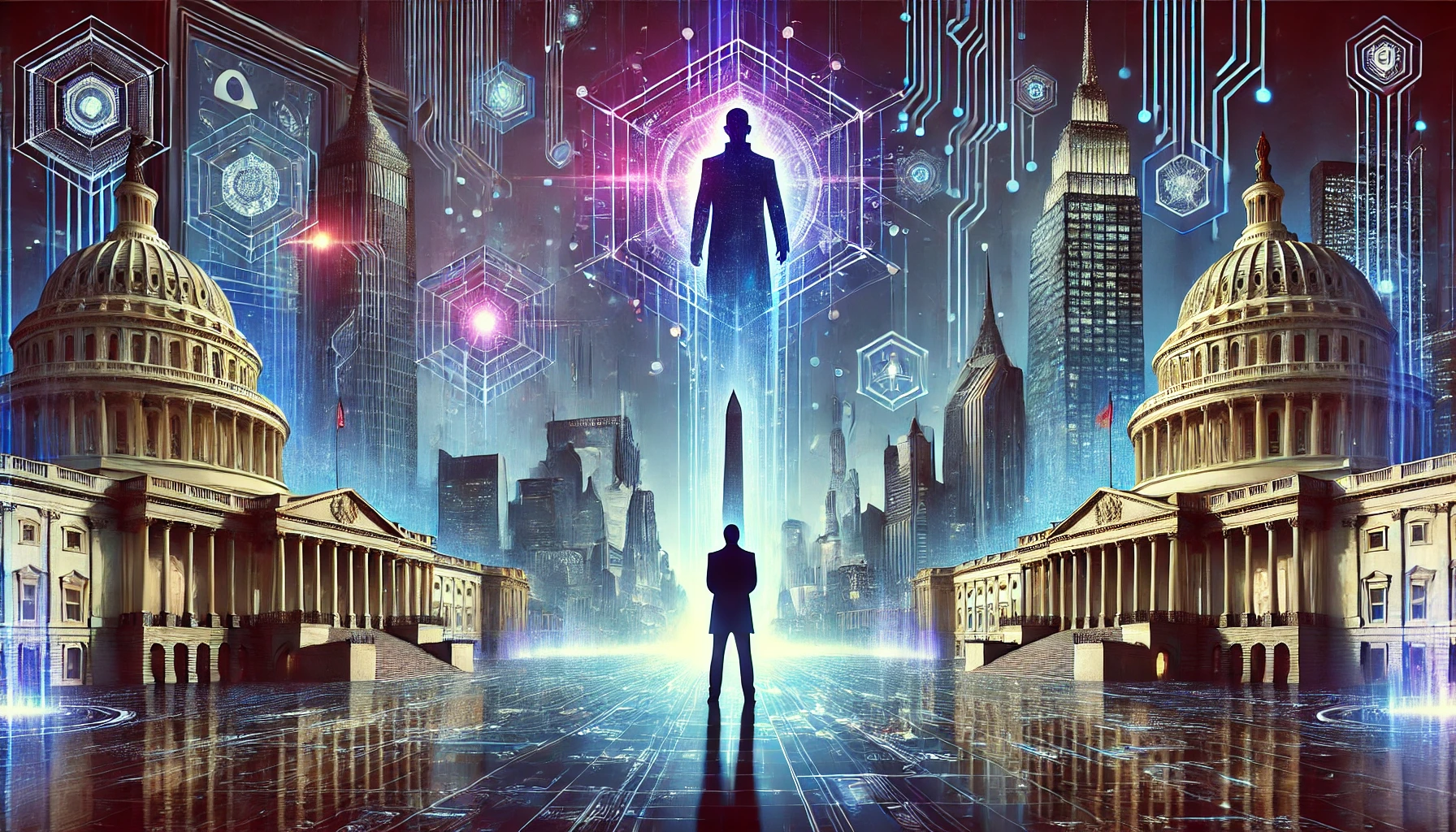
BACKIn recent years, we have witnessed how the leaders of major tech companies have moved from influencing politics behind the scenes to becoming visible protagonists on governmental stages. From their presence at key political events to their growing involvement in decision-making, figures like Elon Musk, Tim Cook, and Mark Zuckerberg are redefining the relationship between innovation and power.
During the last U.S. presidential inauguration, something stood out: the cameras focused on the executives of the leading tech companies. This led us to wonder: why are these leaders now so visibly at the center of politics? In the past, corporate power was exercised behind closed doors, through lobbying and campaign financing. Today, the exposure is direct and unapologetic.
The hypothesis is clear: we are in a new era of economic and technological warfare. The U.S. and China are leading a race for digital and commercial supremacy, and major tech companies play a crucial role in this battle. By showcasing these leaders alongside political power, a message is being sent to the world: this is the "army" of innovators that will define the future of the global economy and technology.
Technological innovation is no longer just a driver of development; it is now a strategic tool in the competition between global powers. While the U.S. seeks to consolidate its dominance with its flagship companies, China follows a different path: instead of innovating from scratch, it adopts a strategy of replication and mass production. It’s no coincidence that countries like China excel at copying technologies and manufacturing them at a much lower cost, challenging the dominance of Western brands.
A clear example of this battle can be seen in artificial intelligence and automation. While Elon Musk announces that Tesla cars can drive themselves, even trucks, China already has "dark factories" where automation is so advanced that lighting is no longer needed. Every technological advancement opens a new front in this silent war.
The rules of the game have changed. Politics is no longer defined solely in congresses and parliaments but also in Silicon Valley boardrooms and China's hyper-automated factories. Tech leaders have become top-tier political actors, not just as business figures but as key influencers of global direction.
The big question is: how far will this fusion between technology and politics go? Are we witnessing a new era where major tech corporations will determine the fate of nations?
One thing is certain: the line between economic, technological, and political power is increasingly blurred. And we, as citizens and consumers, are part of this game. Will we witness a technopolitical revolution or simply observe an inevitable transformation?