
Implementación de IA
Can China Lead the World Without Exporting Its Culture?

14 May 2025
 BACK
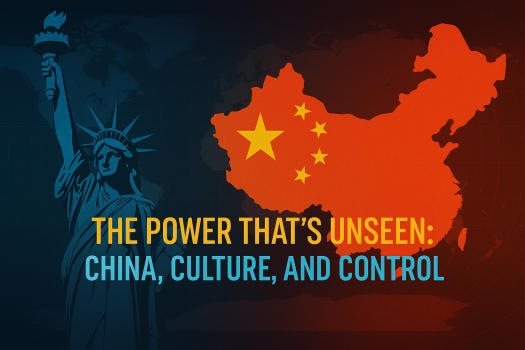
BACKToday, power isn’t just about weapons or economic strength — it’s about who inspires, who sets the tone, and who people want to imitate. In this first episode of the podcast, Luis and Humberto explore a bold question: Why is China, despite being a technological and economic powerhouse, still not culturally aspirational?
The conversation dives into hegemonic influence, consumption as a power tool, and the contrast between having global reach… and commanding global admiration.
While Western powers built their global leadership through not only industry, but also cultural icons — fashion, film, free speech, lifestyle — China has taken a different path: one of order, productivity, and restraint.
But that brings up a key dilemma:
Can a society that doesn't captivate the world still rise as a global leader?
One of the most thought-provoking parts of the episode is the idea that freedom, even as an abstract or symbolic concept, remains a powerful global motivator.
Not because the West is perfect, but because it continues to offer a narrative people want to believe in — and belong to.
At its core, this battle is not just ideological — it's emotional: about identity, admiration, and belonging.
And that too… is power.
This episode moves beyond traditional geopolitics to ask:
Cultural power cannot be imposed — it must be desired.
And in this quiet war between tech, economy, and perception, the winner isn’t always the strongest…
It’s the one others dream of becoming.